A Condition That Refuses to Stay in One Department
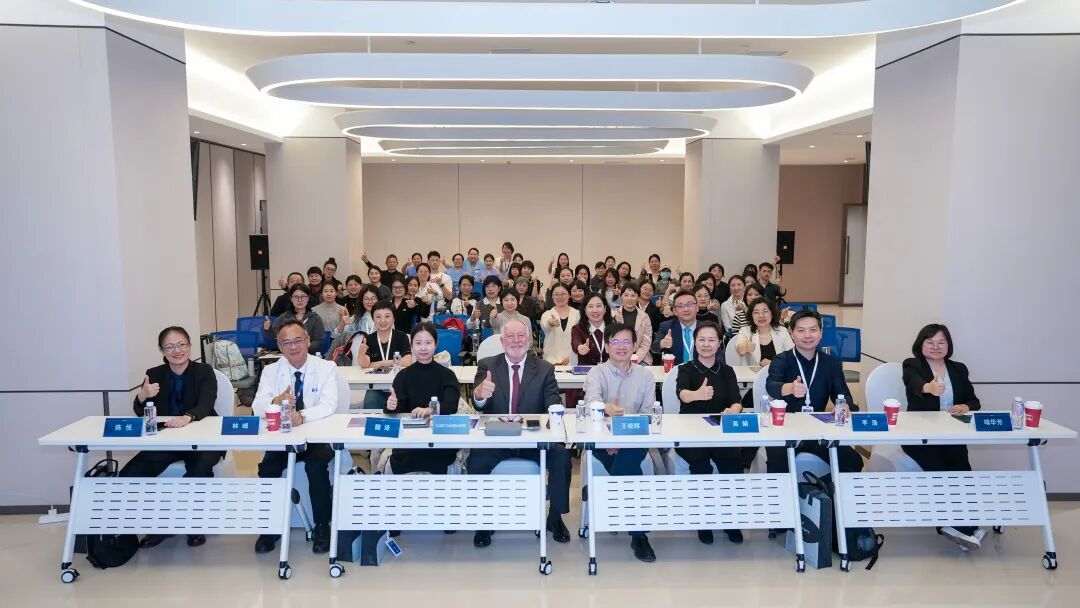
On 22 October 2026, the Sino-French Pelvic Floor Rehabilitation Multidisciplinary Expert Forum was held at AMCARE North Third Ring Women and Children's Hospital in Beijing. The forum was hosted by the hospital, with academic support from the Pelvic Floor Rehabilitation Committee of the Beijing Association of Rehabilitation Medicine, and brought together specialists in pelvic floor rehabilitation, gynaecology, urology, obstetrics, reproductive medicine and andrology from China and abroad.
The premise was not complicated. Pelvic floor dysfunction is common, and it is spread across departments that rarely sit in the same room. A woman with stress leakage is usually seen by a urologist or a gynaecologist; a woman with prolapse may be referred for surgery; a man after prostate surgery is often discharged without anyone assessing his pelvic floor; a patient with chronic pelvic pain can move between departments for years. Each clinician treats the part in front of them, and the underlying muscular and fascial problem is managed in fragments, or not at all.
Bringing those specialists together changes what is discussed, because it changes who is listening. The forum was organised around clinical pain points rather than around departmental agendas: what is hard to treat, what recurs, and where the current pathways leave patients stuck.
Opening: Breaking Down the Walls Between Specialties
Lin Feng, president of AMCARE North Third Ring Women and Children's Hospital, opened the forum with a welcome address to the Chinese and international faculty and to the clinicians in the audience. He set out the purpose plainly: to break down the boundaries between specialties, to put whole-cycle and whole-population management of pelvic floor disease into practice, and to build real academic and technical exchange between Chinese and French pelvic floor rehabilitation.
The phrase whole-cycle is the operative one. Pelvic floor risk begins before pregnancy, is influenced by delivery, changes with menopause, and in men is affected by prostate surgery. A service organised around a single appointment cannot address a problem that unfolds over forty years.
Clinical Hot Topics: Four Problems, Four Approaches
The clinical session was moderated by Luo Yong, director of the Uro-oncology Center at Beijing AMCARE Arui Cancer Hospital, and produced the most detailed technical discussion of the day.
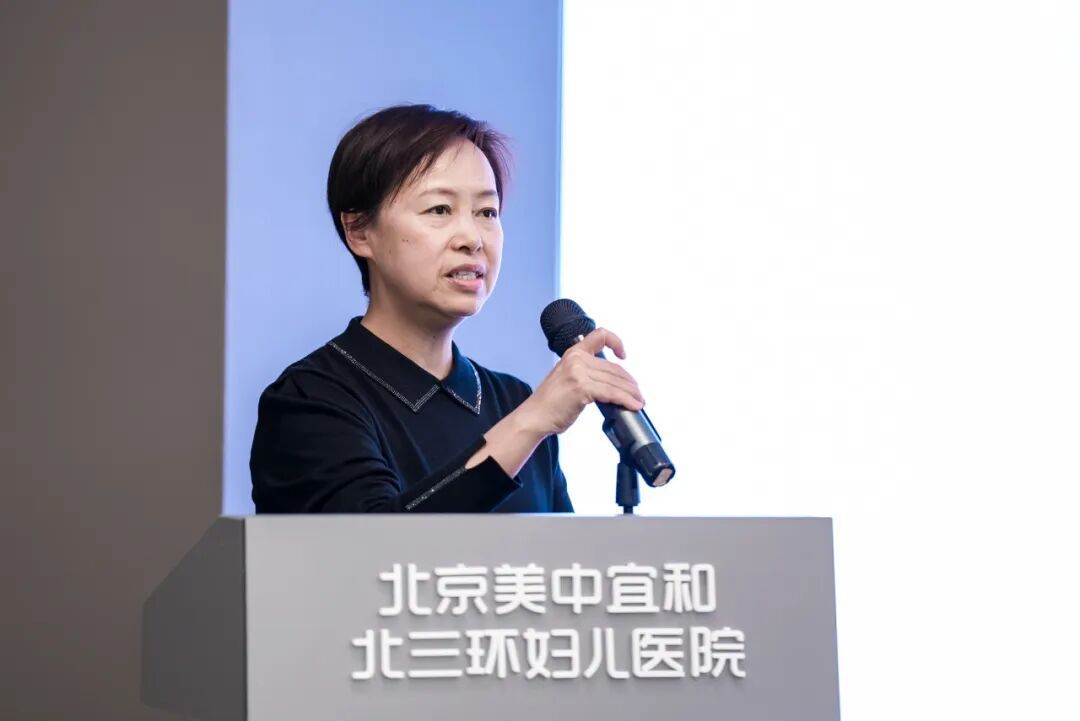
Wu Juan, deputy director of the Urology and Pelvic Floor Rehabilitation Center at the China Rehabilitation Research Center, addressed rehabilitation for neurogenic pelvic floor problems and set out a structured assessment protocol alongside the corresponding rehabilitation interventions. Her central argument was that neurogenic pelvic floor management cannot be judged on symptom relief alone. A long-term follow-up and complication-prevention system has to be built alongside treatment, which gives complex neurogenic pelvic floor dysfunction something it has largely lacked: a standardised rehabilitation pathway with defined checkpoints.
Ping Hao, director of urology at Beijing Tongren Hospital, focused on the diagnosis, treatment and rehabilitation of female urinary incontinence. Working through a large clinical case series, he broke the condition into subtypes and matched management to each, with the aim of giving clinicians a more complete framework for female lower urinary tract dysfunction. The practical point is that incontinence is not one disease: urgency, stress and mixed patterns respond to different combinations of behavioural training, pelvic floor muscle work, medication and surgery.
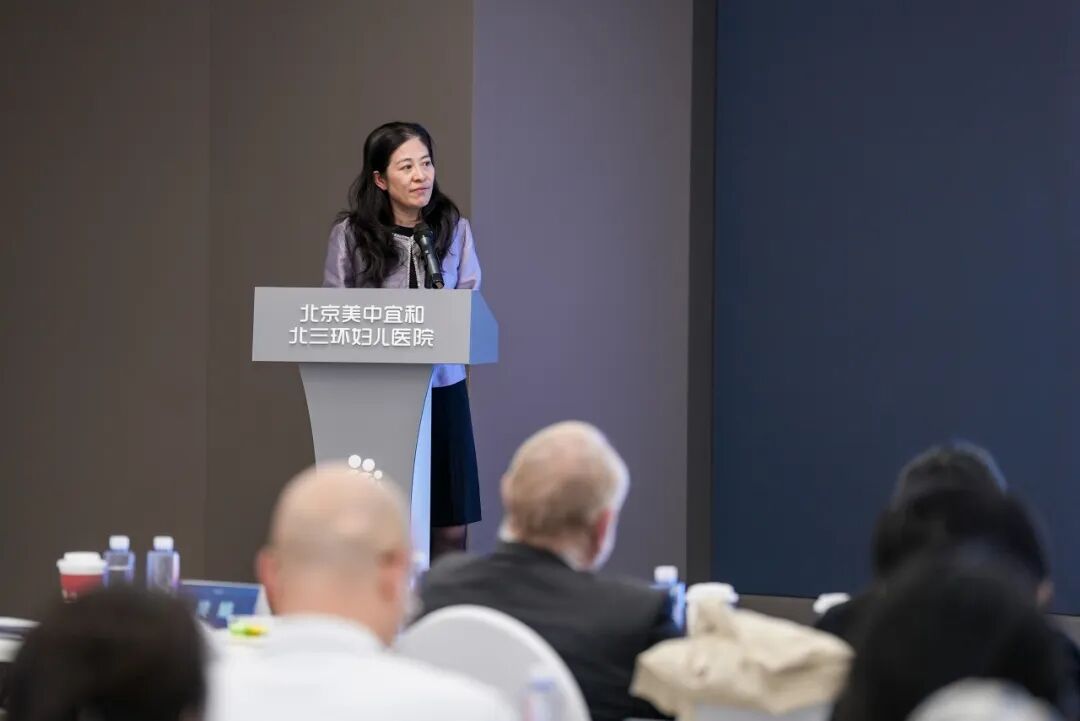
Zhou Youzhen, director of gynaecology at AMCARE Wanliu Women and Children's Hospital in Beijing, took on recurrent vaginitis, and deliberately stepped away from the single-track anti-infective approach. She proposed reading the problem through the link between genital tract microecology and pelvic floor structure and function, and set out a combined protocol: clear the pathogenic organisms, repair the mucosal barrier, rebuild the microecology, and intervene on pelvic floor function at the same time. For recurrent and refractory genital tract inflammation, that cross-dimensional framing offers a route out of the cycle of treat-relapse-treat.
Yang Lichun, director of the Pelvic Floor Diagnosis and Treatment Center at the host hospital, spoke on rehabilitation from the pelvic floor to the whole body, and on what integrated medicine actually means in this field. Drawing on clinical cases, she described a whole-body assessment method and argued against the limited model of training the pelvic floor muscles in isolation. The pelvis, the abdominal cavity and the spine form a mechanical chain; treating a local symptom without addressing that chain produces improvement that does not hold.
The French Session: A System, Not a Technique
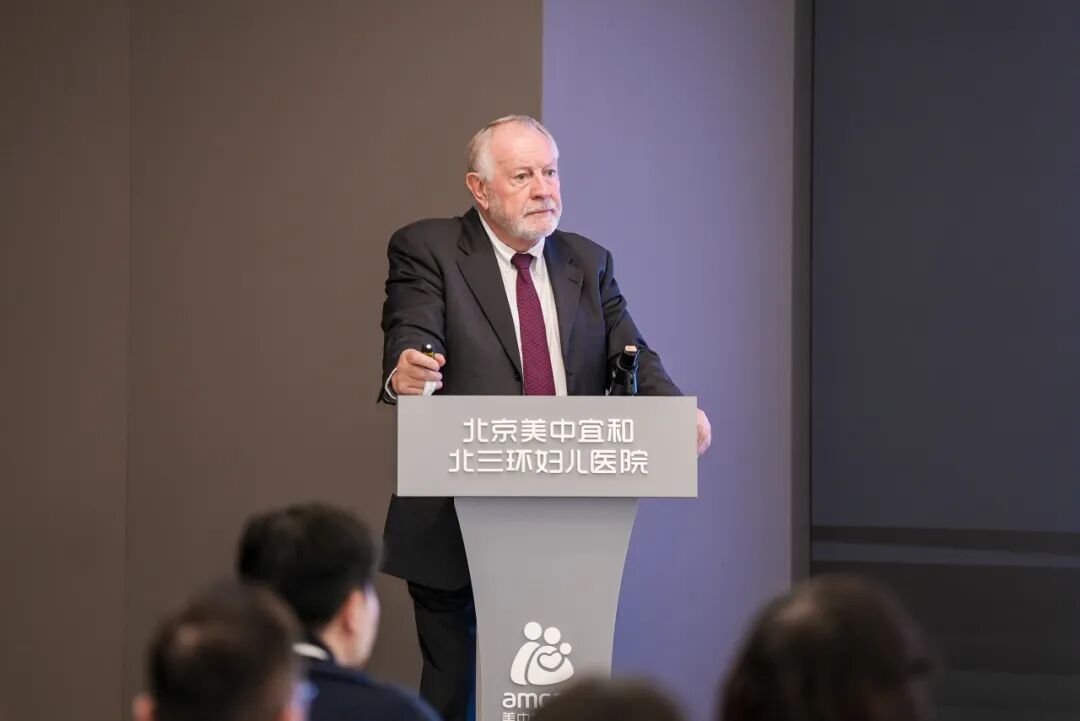
The session dedicated to French experience was led by Loïc Dabbadie, founder of the EIRPP international pelvic rehabilitation school in France. Rather than presenting a single technique, he described the development of pelvic floor rehabilitation as a discipline in France: how the field professionalised, what a mature clinical pathway looks like from first assessment through discharge, and how a standardised rehabilitation system is structured and audited.
What he brought into view was the accumulation behind that system: decades of work on pelvic floor assessment, manual therapy and long-term follow-up management, organised into something that can be taught, delivered consistently and measured. For Chinese clinicians the value is less in any individual manoeuvre than in the reference model — what a complete service looks like when rehabilitation is treated as a discipline with its own assessment standards rather than as an adjunct to surgery.
The Afternoon: Obstetrics, Gynaecology, Reproductive Medicine, Andrology
The afternoon session on multidisciplinary pelvic floor care was moderated by Chen Xinna, director of the Reproductive Center at the host hospital, and was where the forum's multidisciplinary character became concrete. Cai Zhenyu (obstetrics), Shu Shan (gynaecology), Li Hongzhen (reproductive medicine) and Zhang Qingjiang (andrology) each presented in turn, on current practice and future directions for pelvic floor protection within their own specialty.
Taken together, the four talks moved the frame well beyond the conventional focus on female pelvic floor rehabilitation. Coverage ran from pre-conception assessment, through pregnancy and postpartum recovery, to male pelvic floor health — a life-course and whole-population model rather than a postpartum service with a gynaecology address.
Why the male side matters more than it is discussed
Pelvic floor rehabilitation is still widely perceived as a women's service, largely because pregnancy and delivery create the most visible demand. But continence and erectile function after prostate surgery depend substantially on pelvic floor muscle function, and men are rarely offered structured rehabilitation. Including andrology in the same forum is a small signal of a larger shift.
Complex Cases: A Consultation, Conducted in Public

The forum closed with a joint case discussion, in which Loïc Dabbadie and AMCARE physicians Wu Juan, Zhou Youzhen, Luo Yong and Yang Lichun were joined by Jing Huafang of the Urology and Pelvic Floor Rehabilitation Center at the China Rehabilitation Research Center, Cao Weiwei of the proctology department at Xiyuan Hospital of the China Academy of Chinese Medical Sciences, and Zhu Hongmei of the Pelvic Floor Center at Peking University People's Hospital.
Difficult cases were worked through as a joint consultation rather than as a series of opinions. Each specialist read the same case from a different angle — neurological, urological, gynaecological, colorectal, rehabilitative — and the discussion moved towards individualised combined rehabilitation plans. For the clinicians in the audience, the value of the format is that it demonstrates a workable model of multidisciplinary collaboration, not just a set of conclusions about particular patients.
What This Changes for Patients
Academic forums are easy to dismiss as internal affairs. The reason this one matters to patients is structural: the fragmentation described at the opening is the same fragmentation patients experience as being passed between departments, repeating their history each time, and being offered whatever the last clinician happens to specialise in.
A service built the way this forum was organised looks different in practice. Assessment covers the pelvic floor as a functional unit rather than a single symptom. Rehabilitation is planned with the obstetrics, gynaecology or urology pathway in view, so that surgery and conservative care are sequenced rather than chosen in isolation. Follow-up is scheduled as part of treatment, with defined review points instead of an open-ended invitation to come back if things get worse.
For international patients, the practical implications are straightforward. Pelvic floor assessment and rehabilitation are non-surgical and largely time-based, which makes them well suited to a planned visit with a defined course of treatment; and because the assessment is multidisciplinary, a patient who arrives with a problem that turns out to need a different specialty is redirected inside the same institution rather than sent back to the beginning.
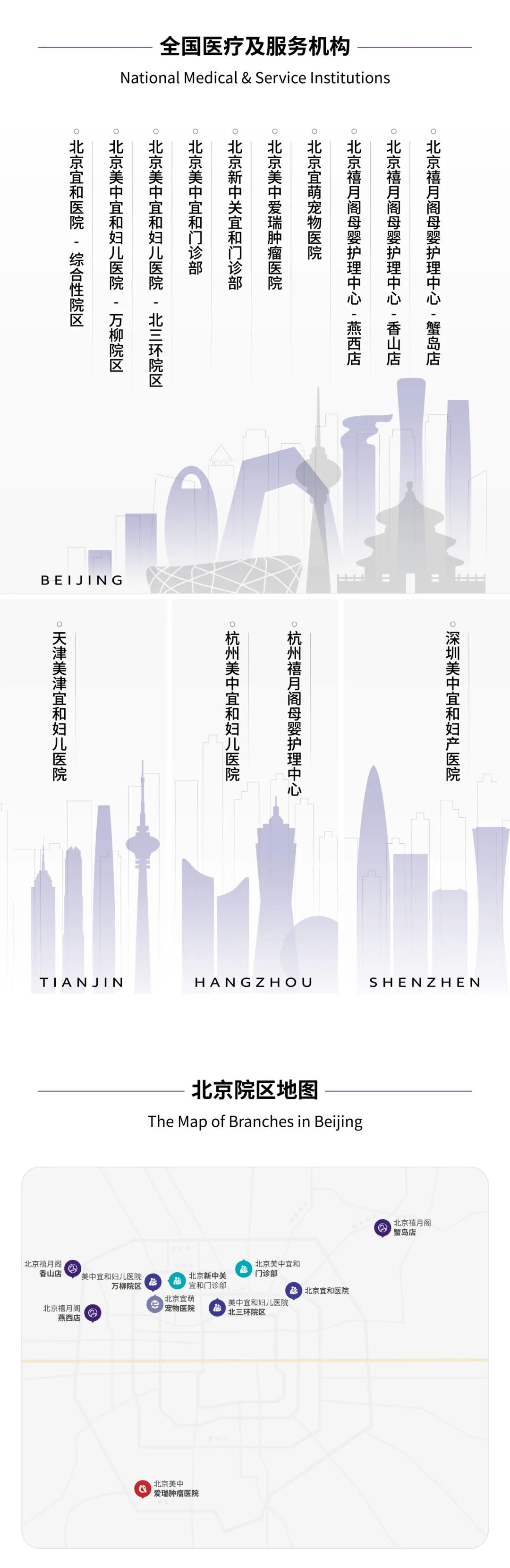
AMCARE's pelvic floor service operates at the North Third Ring Women and Children's Hospital in Beijing, with the group's wider network across Beijing, Tianjin, Hangzhou and Shenzhen available for follow-up and coordination.
Continuing the Work
Pelvic floor dysfunction has a high prevalence and a wide departmental footprint, which is precisely why it has remained one of the harder areas of clinical practice to do well. A forum does not solve that. What it can do is establish a shared vocabulary between the specialties that each hold one part of the problem, and set a standard that a service can then be measured against.
AMCARE intends to continue building its pelvic floor rehabilitation programme on the back of this exchange, using the international academic platform to keep refining assessment and treatment, and to deliver pelvic floor care that is standardised rather than dependent on which door a patient happens to walk through.
Reviewed by
Yang Lichun is director of the Pelvic Floor Diagnosis and Treatment Center at AMCARE North Third Ring Women and Children's Hospital in Beijing. Her clinical work focuses on integrated assessment and rehabilitation of pelvic floor dysfunction, linking pelvic floor, abdominal and spinal mechanics, and on whole-body functional rehabilitation rather than isolated pelvic floor muscle training. She spoke at the forum on rehabilitation from the pelvic floor to the whole body.
Seeking Pelvic Floor Assessment?
AMCARE's international patient team can explain what a pelvic floor assessment involves, arrange a multidisciplinary review in Beijing, and help plan the length of stay around a defined course of rehabilitation.