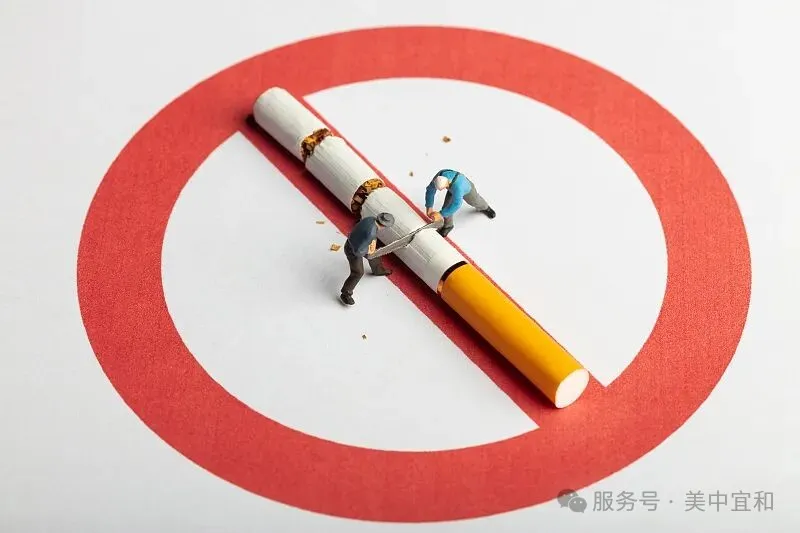
Why Willpower Alone Often Fails
Many smokers blame themselves after every failed attempt, believing they simply lack discipline. But medicine sees repeated relapse differently: as a sign of tobacco dependence, a condition in which the brain's balance between reward and control has been disrupted.
Think of the brain as having two systems:
- The accelerator — the reward circuitry that makes smoking feel pleasurable and pushes you to repeat it.
- The brake — the prefrontal control system that weighs long-term consequences and suppresses impulses.
Nicotine strongly activates the accelerator, producing rapid pleasure. With continued heavy use, the brake becomes slower and less effective. Over time, cravings dominate not because the person is weak, but because the brain's control circuits are overwhelmed. For adolescents, the risk is even higher: the developing brain is especially vulnerable, and early nicotine exposure can permanently impair impulse control and increase the likelihood of anxiety and depression later in life.
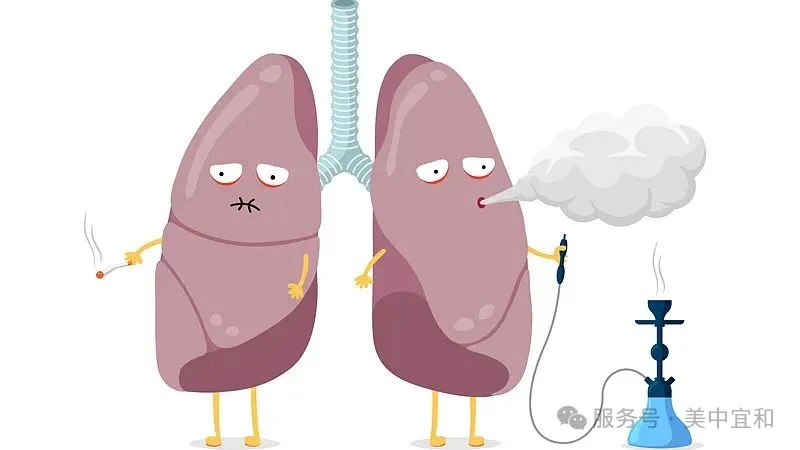
The Harm Is Bigger Than Lung Cancer
Public awareness often stops at lung cancer, but tobacco harms almost every organ. Burning tobacco releases more than 7,000 chemicals, at least 69 of which are recognized carcinogens by the World Health Organization. After entering the lungs, these substances diffuse into the bloodstream and reach the entire body.
Major Diseases Linked to Smoking
- Chronic obstructive pulmonary disease (COPD): Chronic bronchitis and emphysema caused by long-term inflammation, leading to progressive shortness of breath.
- Atherosclerosis and cardiovascular events: Damaged blood vessel linings allow cholesterol plaques to form, increasing the risk of myocardial infarction, stroke, aortic dissection, aortic aneurysm, and peripheral artery disease.
- Multiple cancers: Risk is significantly elevated for lung, throat, mouth, esophageal, bladder, kidney, pancreatic, and cervical cancers.
- Secondhand exposure: Indoor smoking can drive PM2.5 levels above 1,000 μg/m³. Fine particles settle into fabrics and remain hazardous for weeks, with pregnant women and children most affected.
Unlike age or family history, smoking is a major risk factor you can directly change. Its contribution to atherosclerosis is even greater than the classic "three highs" — high blood pressure, high cholesterol, and high blood sugar.
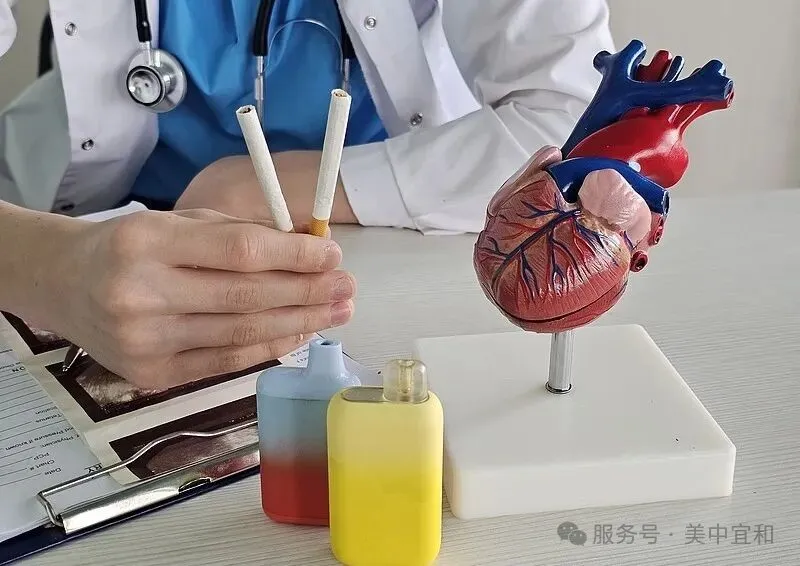
E-Cigarettes: A Hidden Path to Stronger Addiction
E-cigarettes are frequently marketed as a safer substitute, but they are not harmless. When e-liquid is heated to 200–300°C, nicotine and propylene glycol can degrade into formaldehyde, acetaldehyde, and other toxic compounds that are inhaled into the lungs and absorbed systemically.
Easy to Hide
Minimal odor makes e-cigarettes easy to use discreetly in schools, offices, and public spaces, turning them into a common gateway to addiction for both teens and adults.
Can Raise Total Nicotine Intake
Many users combine vaping with conventional cigarettes, pushing daily tobacco exposure as high as 60 cigarettes' worth. Rather than reducing harm, this can deepen dependence.
How AMCARE Beijing's Quit-Smoking Clinic Works
Quitting alone is difficult. Quitting with structured medical support is far more effective. At AMCARE Beijing, tobacco dependence is treated as a whole-person condition rather than a habit to be ashamed of.
1. Define a Clear Goal
The doctor helps you clarify why quitting matters to you personally. A meaningful reason is more sustainable than a vague resolution.
2. Treat the Biology of Dependence
Withdrawal symptoms such as irritability, insomnia, and poor concentration are managed with evidence-based options, including nicotine replacement therapy and non-nicotine medications that reduce cravings.
3. Identify and Replace Triggers
Keeping a smoking diary helps you recognize patterns — after meals, during stress, with coffee. The care team then designs practical replacements for each trigger.
4. Build Supportive Habits
Dietary adjustments, exercise, sleep improvement, and family guidance are integrated into the plan to make relapse less likely.
Tailored Guidance for Different Situations
For Parents
From pregnancy through adolescence, a smoke-free home is one of the most meaningful protections you can offer. Because teenage brains are still developing, family norms around tobacco strongly shape whether a child will try smoking later.
For Young People and Students
Smoking is not a sign of independence or style. Early nicotine exposure can damage the brain's control systems while they are still maturing, with effects that may last for decades. Academic pressure is not a reason to smoke — healthier coping strategies exist.
For Long-Term Smokers
Trying to "cut down gradually" often leads to rebound and heavier smoking. A planned quit date under medical supervision, supported by medication, is usually more successful than tapering alone.
You Don't Have to Fight This Alone
Quitting smoking is not a lonely battle of willpower. It is a health defense that is easier to win with the right team beside you. At AMCARE Beijing's quit-smoking clinic, complex addiction is broken into clear steps: medical assessment, symptom management, behavior change, and family support.
"Every cigarette not smoked is progress for your lungs, your heart, and your future. The right medical support can turn repeated failure into lasting success."
— AMCARE Beijing Quit-Smoking Clinic
Ready to quit? Contact AMCARE Beijing's international patient services to schedule a consultation and build your personalized cessation plan.