Why Your Anti-Hair-Loss Shampoo Isn't Working
Hair shedding by the handful when washing, a part line that quietly widens, a scalp that keeps turning oily and flaky, round bald patches appearing without warning — many people's first reaction is to try every anti-hair-loss shampoo and trendy hair-growth product on the market, often for months, with little to show for it.
The truth is that genuine improvement requires systematic evaluation and intervention by a physician specializing in scalp medicine. The most common reason treatment fails is that the type of hair loss was never correctly identified in the first place.
Step One: Diagnose — Which Type of Hair Loss Is It?
The first step at a scalp medical center is always a systematized examination — never a judgment by eye alone.
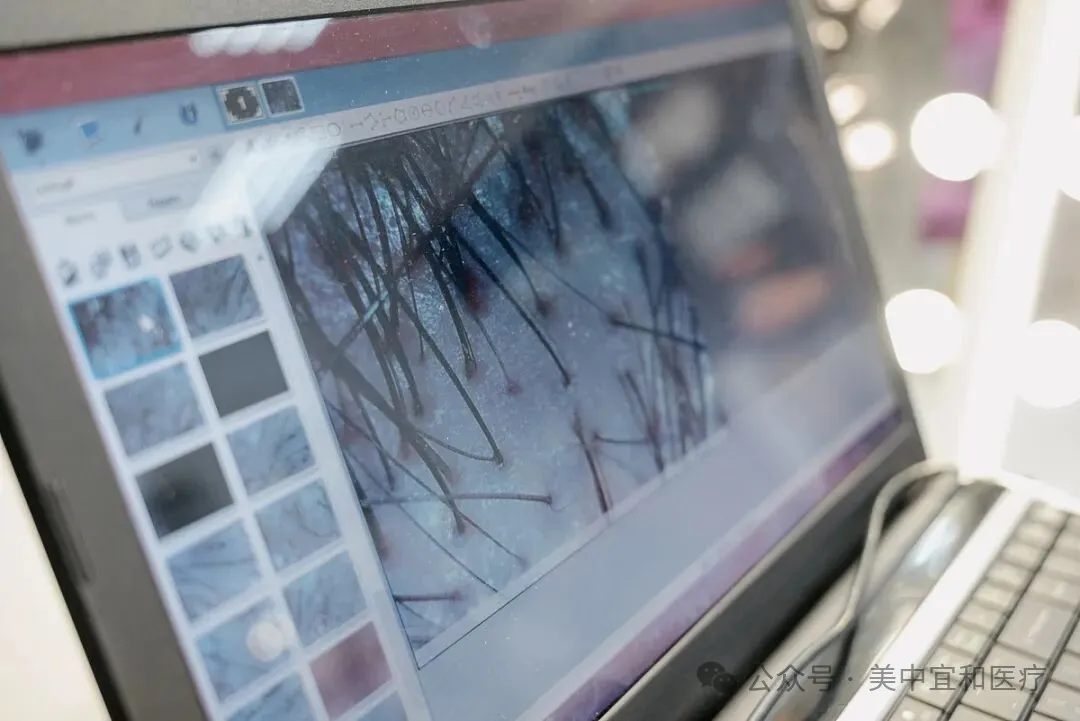
- Trichoscopy (dermoscopy of the scalp): the physician examines follicle morphology and changes in hair shaft diameter to identify whether follicular miniaturization is occurring.
- High-frequency scalp ultrasound and scalp microbiome testing: to assess scalp inflammation and Malassezia infection.
- Laboratory work-up when needed: sex hormone panel, ferritin, thyroid function and other tests to rule out endocrine, nutritional and immune-related causes.
The most common hair and scalp conditions diagnosed here include:
1. Androgenetic Alopecia (Common Baldness)
In men, typically an M-shaped receding hairline and thinning at the crown; in women, mostly a diffusely widening part line. It is often accompanied by oily scalp, dandruff and itching. Caused by genetics plus the androgen DHT attacking the follicles, the follicles gradually shrink and the hairs become finer.
2. Alopecia Areata ("Patchy" Hair Loss)
Triggered by autoimmune dysregulation, it appears as suddenly well-defined round bald patches on the scalp. In severe cases it can progress to alopecia totalis or universalis. Psychological stress and staying up late are important triggers.
3. Telogen Effluvium
Heavy shedding appearing 3–5 months after childbirth, surgery, major stress or crash dieting. The follicles themselves are not dead — this is usually temporary hair loss.
4. Other Scalp Conditions
Scalp psoriasis, pityriasis amiantacea, and various forms of scalp folliculitis and other inflammatory scalp problems can all receive specialist assessment here as well.
Standardized Medication Therapy
Once the diagnosis is clear, the physician designs an individualized medication plan according to sex and the stage of hair loss. Medication is the cornerstone of most hair-loss treatment.
Topical Medications
Minoxidil is the mainstay: it stimulates the follicles and promotes hair growth, and suits androgenetic alopecia, telogen effluvium and similar conditions. Medicated washes can be combined to reduce oiliness, dandruff and scalp inflammation.
Oral Medications
Men with androgenetic alopecia can be prescribed finasteride in a standardized way; women may be given anti-androgen agents such as spironolactone depending on their situation. Targeted supplementation of iron, vitamin D and other micronutrients is added at the same time.
Patients with alopecia areata receive immune-modulating regimens chosen according to whether the disease is in a progressive or stable phase.
Important
All of the above medications must be prescribed after evaluation by a physician. Do not buy them online and use them long-term on your own.
Physical and Regenerative Therapies
Beyond medication, the Scalp Medical Center offers a mature set of physical and biological treatments — suitable for people whose response to medication is limited, or who want combination therapy for a better result.
1. Glycolic Acid Scalp Care
Think of it as a "professional peel for the scalp": gentle exfoliation of accumulated keratin, unclogging follicular openings blocked by sebum, reducing chronic inflammation and suppressing harmful microorganisms.
It does not grow hair directly, but it optimizes the scalp micro-environment and improves the absorption of topical medications such as minoxidil — especially helpful for oily, folliculitis-prone scalps in androgenetic hair loss. It must be performed by a professional physician in a medical institution; high-concentration acids should never be applied to the scalp at home.
2. Scalp Microneedling
By creating controlled micro-channels, microneedling stimulates the scalp's self-repair response and the release of growth factors, while helping hair-growth nutrients penetrate. It can be combined with nutrient serums or PRP. It is offered in a dry-needling mode and a compound-infusion mode, supporting hair anchoring and improving heavy telogen shedding.
3. Low-Level Laser Therapy (LLLT)
Better known as "cold laser," it uses photobiomodulation to boost mitochondrial energy in the follicles and expand the scalp microcirculation, nudging follicles from the resting (telogen) phase into the growth (anagen) phase. It works best as a long-term stabilizing treatment; results are usually assessed after 3–6 months of consistent use.
4. PRP — Platelet-Rich Plasma Injection
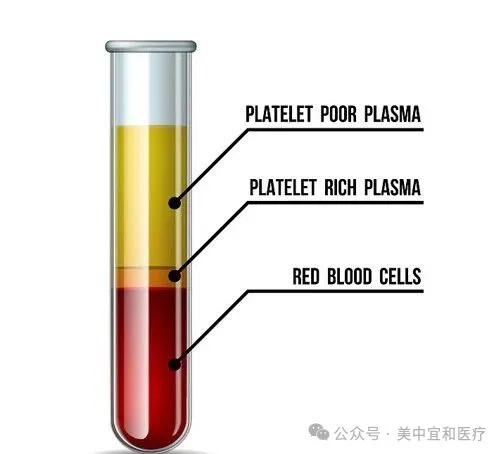
A sample of the patient's own venous blood is drawn and centrifuged to obtain platelet-rich plasma, which is injected into the thinning areas of the scalp. The platelets release PDGF, VEGF and other growth factors, awakening dormant follicles and reversing follicular miniaturization.
Because it comes from the patient's own blood, there is no risk of immune rejection. It is mostly used for mild-to-moderate androgenetic alopecia and for patients with an insufficient response to medication. A full course is followed by maintenance therapy — it is not a "one injection, hair forever" treatment — but once follicles have completely closed and died, they usually cannot be revived.
Combination Therapy Is the Real Core
The consensus in hair medicine is: early intervention, combination therapy, long-term management, individualized plans. Very rarely does a single treatment solve hair loss completely.
- Markedly oily, inflamed scalp: minoxidil + glycolic acid scalp care — restore the scalp micro-environment first.
- Long-term stability at home: medication + low-level laser — blocking damage while feeding energy back to the follicles.
- Limited response to medication: PRP combined with microneedling to amplify follicle repair.
The Scalp Medical Center also provides full-cycle follow-up: regular repeat trichoscopy to track follicle changes dynamically and adjust the plan in time.
If examination shows the follicles have already completely closed, medication and regenerative therapies will hardly work — the physician will give an objective assessment and recommend hair transplant surgery.
"There are no shortcuts for hair loss. The value of a scalp medical center is finding the real root cause and building a scientific plan to keep your hair."
— Scalp Medical Center, AMCARE Beijing
Struggling with Hair Loss, Oily Scalp or a Widening Part?
AMCARE Beijing's Scalp Medical Center and international patient team provide trichoscopic assessment, laboratory work-up and individualized treatment plans for patients from overseas.