
When a "Retired" Ovary Wakes Up
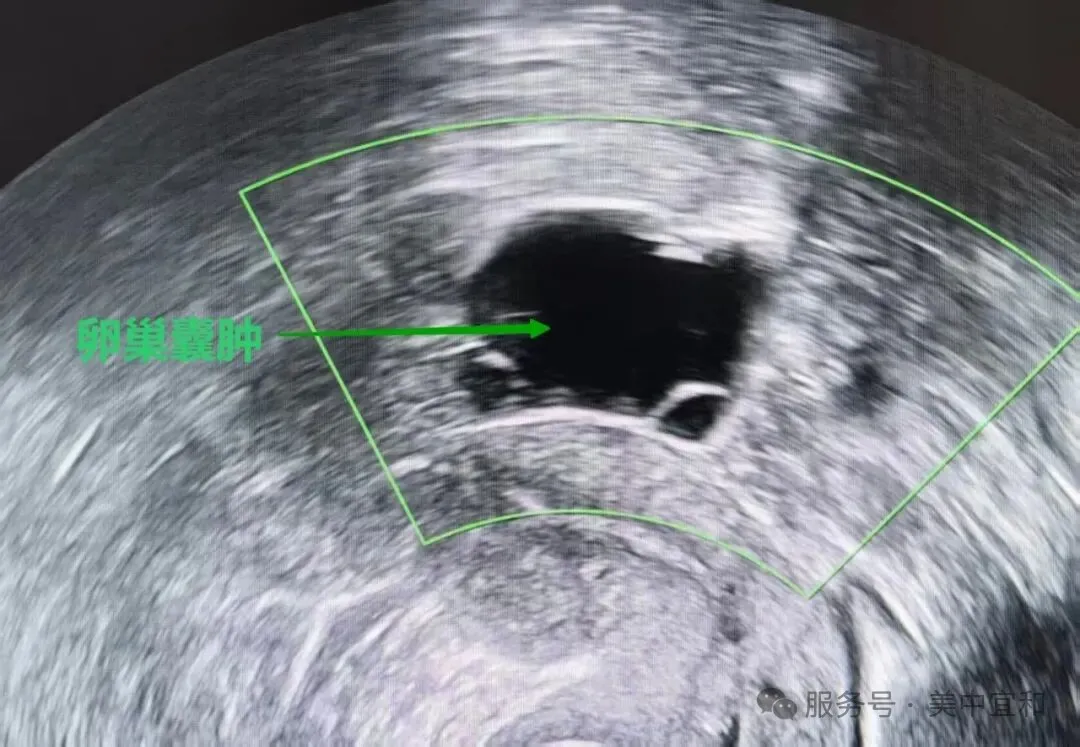
At nearly 70, Ms. Chen (a pseudonym) had been postmenopausal for almost two decades. Like many women, she assumed her ovaries had long since finished their work and quietly faded into the background. So when a routine check-up flagged a cyst in her right ovary, the news felt not just unexpected — it felt wrong.
The ovary, however, does not always read the calendar the way we do. While it stops cycling after menopause, it can still develop masses. In Ms. Chen's case, the finding launched a three-year watch-and-wait period: the cyst measured 2 cm at first, then slowly grew to 3.5 cm. It did not go away. To make matters more concerning, her tumor marker HE4 was mildly elevated.
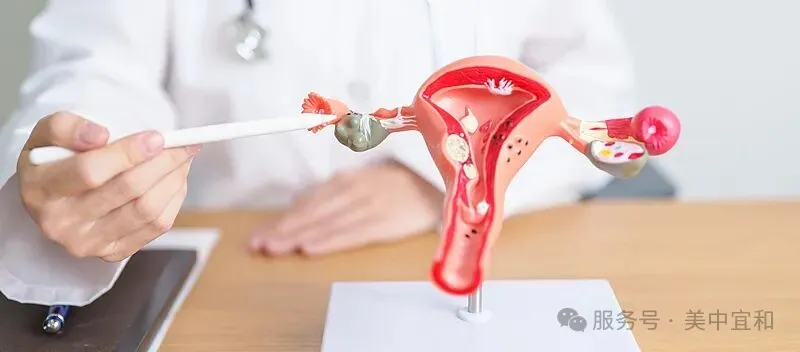
For postmenopausal women, a persistent ovarian cyst is a different clinical entity than the functional cysts common in younger women. At AMCARE Beijing, the gynecology team explained why this could not simply be observed indefinitely.
Why Postmenopausal Cysts Deserve Attention
In women of reproductive age, many ovarian cysts are physiological. They form around ovulation and usually disappear within one or two menstrual cycles. That is why doctors often recommend a short observation period.
After menopause, the hormonal environment changes fundamentally. The ovaries no longer ovulate, and physiological cysts become rare. A cyst that appears after menopause is more likely to represent a true ovarian neoplasm rather than a benign, self-resolving structure.
Key Difference
Before menopause: Most cysts are functional and resolve on their own. Observation is usually reasonable.
After menopause: New or persistent cysts carry a higher risk of ovarian tumor and should be evaluated promptly rather than watched passively.
This does not mean every postmenopausal cyst requires immediate surgery. If imaging shows the cyst shrinking or disappearing, or if it clearly arises from another structure, continued monitoring may be appropriate. The decision depends on size trend, imaging characteristics, tumor markers, age, and overall health.
A "Tiny Hole" Solution: Single-Port Laparoscopy
Ms. Chen was otherwise healthy but elderly, with several baseline medical conditions. The AMCARE Beijing team, led by Director Li of gynecology and Professor Sun as the operating surgeon, reviewed the risks and benefits of several approaches.
The consensus was to proceed with single-port laparoscopic exploration and bilateral adnexectomy. The rationale was patient-centered and risk-based:
Remove Both Adnexa
After menopause, the ovaries and fallopian tubes no longer serve hormonal or reproductive roles. Removing both adnexa during the same procedure adds only minutes but eliminates future risk from the contralateral side.
Preserve the Uterus
Preoperative evaluation showed no uterine abnormality. If intraoperative frozen pathology confirmed benign disease, the uterus could be left in place. Ms. Chen would still need annual endometrial monitoring because of her history of endometrial polyps and intrauterine fluid.
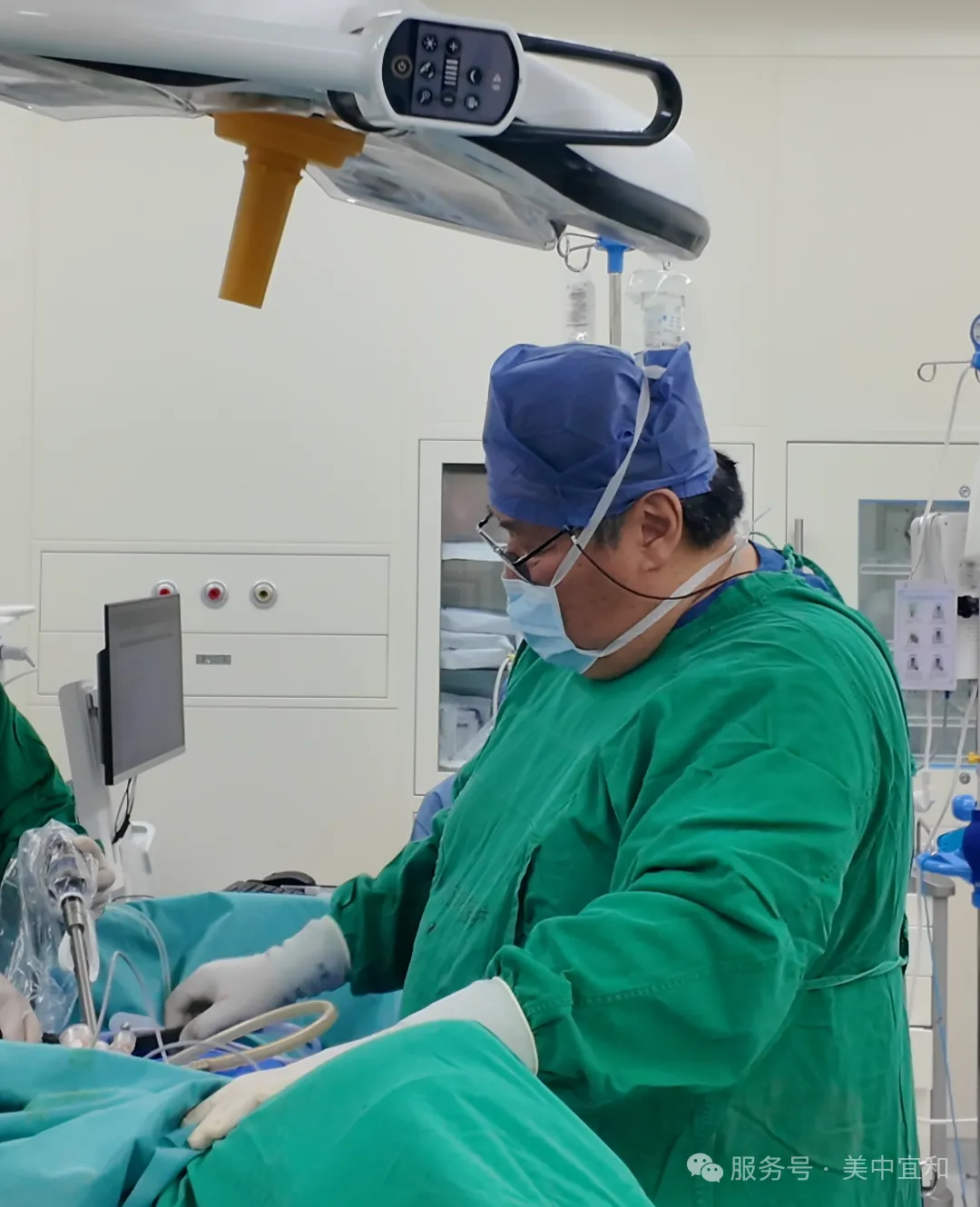
Single-port laparoscopy uses the natural umbilical fold. Professor Sun made a single incision of about 2 cm at the navel, introduced all instruments through that opening, and completed the entire operation. After meticulous cosmetic closure, the scar hides within the umbilical crease.
Compared with conventional multi-port laparoscopy, the single-port approach reduces abdominal wall trauma, postoperative pain, and the risk of port-site complications. It also allows the specimen to be removed through the same small incision — an advantage for older patients who benefit from faster recovery and less time in bed.
In the Operating Room
The procedure went smoothly. Anesthesia was stable, and exploration of the abdominal cavity revealed no other abnormalities. The surgical team removed both adnexa, placed the specimen in a retrieval bag, and extracted it through the umbilical incision.
When the cyst was opened, it contained clear fluid. No suspicious papillary structures were seen on gross inspection. Intraoperative frozen-section pathology confirmed a benign cystic lesion.
Procedure Snapshot
- Approach: Single-port laparoscopy via a ~2 cm umbilical incision
- Procedure: Bilateral adnexectomy, uterus preserved
- Duration: Under one hour
- Estimated blood loss: 5 ml
- Pathology: Benign cystic lesion
Gynecologic Tumors Are Not Only a Menopause Concern
While this case highlights the importance of acting on postmenopausal cysts, ovarian and gynecologic conditions can affect women at any age — adolescents, reproductive-age women, perimenopausal women, and elderly women.
The ovary is often called the "silent organ." Early cysts and tumors frequently cause no pain. By the time symptoms such as bloating, unexplained weight loss, or a palpable abdominal mass appear, the disease may already be advanced.
"A cyst found after menopause should never be dismissed with 'let's wait and see.' It may turn out benign, as it did here, but the only way to know is proper evaluation — imaging, tumor markers, and timely surgical assessment when indicated."
— AMCARE Beijing Gynecology Team
Health Tips for Women of All Ages
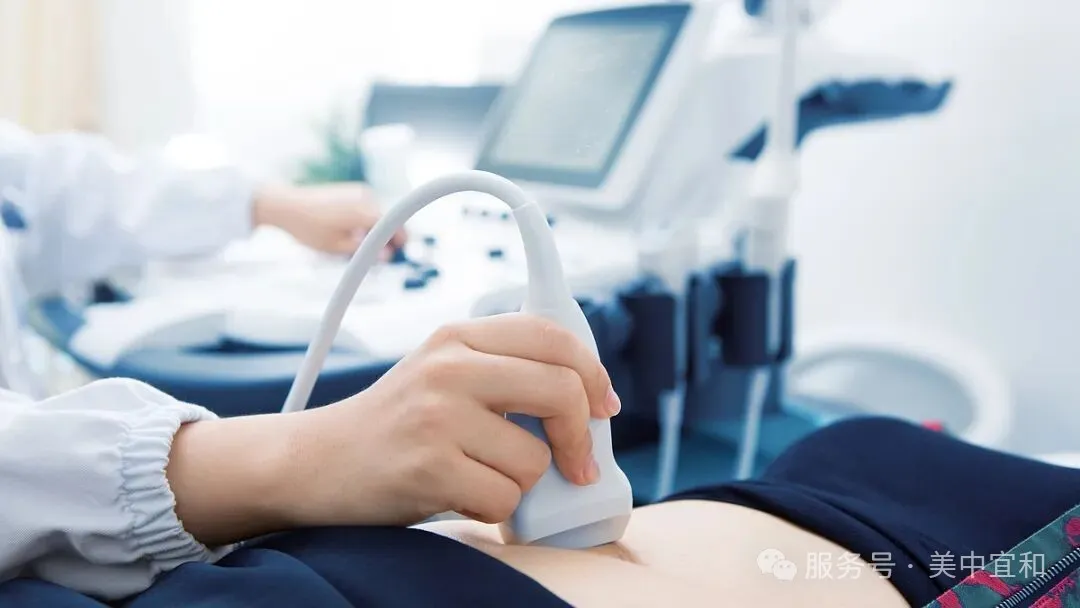
- Have regular gynecologic ultrasound screening, regardless of age, menopausal status, or childbearing history.
- Do not ignore persistent bloating, lower abdominal discomfort, abnormal bleeding, or unusual discharge. These symptoms deserve gynecologic evaluation, not just digestive or hormonal assumptions.
- Know your risk factors. Hypertension, diabetes, obesity, and breast disease are associated with higher risk for some gynecologic tumors.
- After menopause, take any new ovarian cyst or pelvic mass seriously. Even small, painless masses should be followed closely or treated according to specialist advice.
There is no fully effective way to prevent ovarian cancer today. Until better prevention tools exist, early diagnosis through consistent screening and rapid specialist assessment remains the strongest protection.
Need Gynecologic Evaluation or International Patient Support?
AMCARE Beijing's gynecology and international patient teams provide second-opinion review, minimally invasive surgery planning, and coordinated care for women seeking treatment in China.